

(+39) 02 9595721

Extra-EU trade - Fullcargo

dry_contaniner_fulcargo_italy-1200x800.png

From Milan to the World

Since 1988, Fullcargo has been connecting Italian exporters with global markets — shipping from Milan to India, South Korea, the UAE, and beyond.
Over nearly four decades, we’ve learned that choosing the right container is one of the most strategic decisions in international logistics.
This guide explains every main container type, why it exists, and when to use it — whether you’re exporting machinery, pharmaceuticals, or luxury goods.
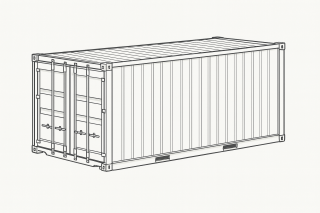
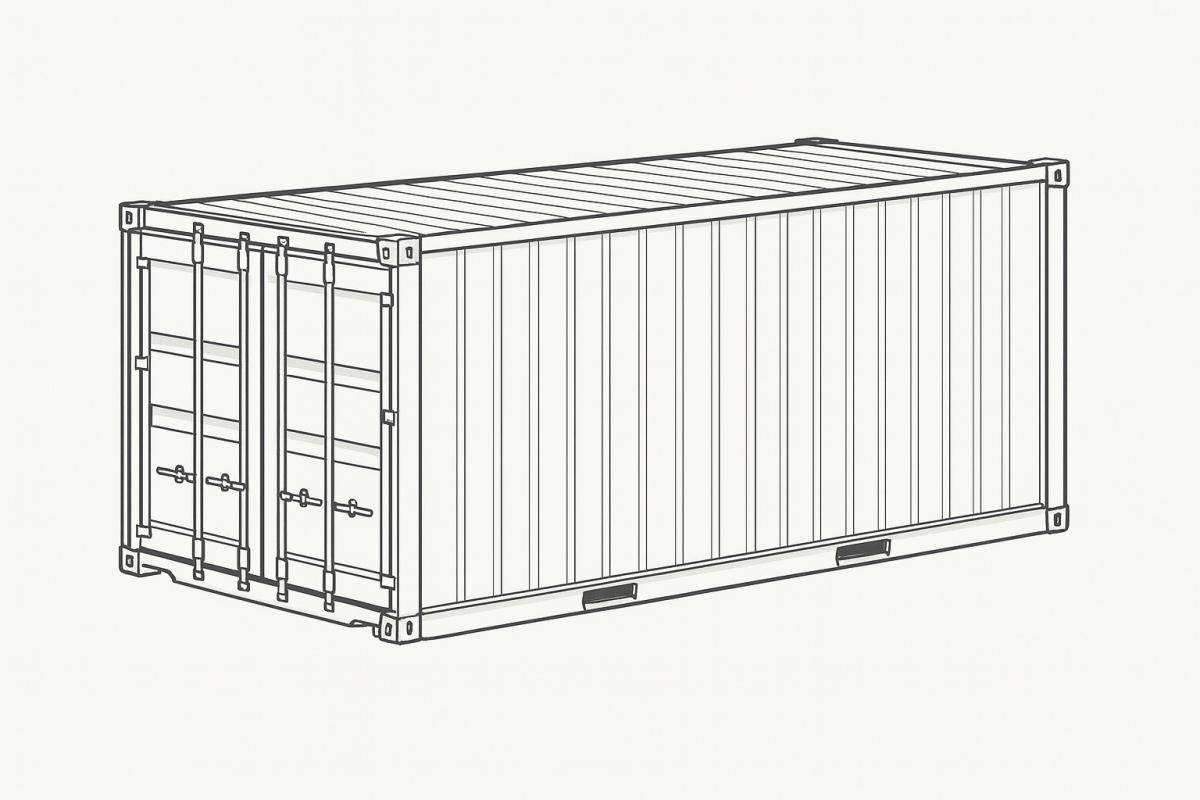
Dry Container Fullcargo

1. Dry Container (General Purpose Container)

What it is: The most common container type — fully enclosed, weatherproof, with solid walls and roof.
Why it’s used: Ideal for dry goods that don’t require temperature control.

Examples: Electronics, textiles, packaged goods, furniture.
Sizes available: 20ft and 40ft standard.
Pro tip: Perfect when your cargo is stackable and not sensitive to humidity or temperature fluctuations.
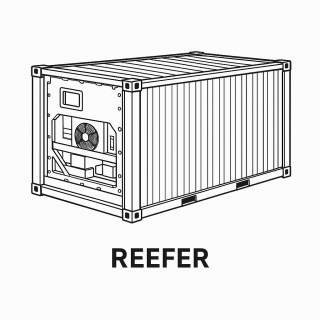
Reefer

2. Reefer Container (Refrigerated Container)

What it is: A temperature-controlled container with an integrated refrigeration unit.
Why it’s used: To transport perishable items safely across long distances.
Examples: Food, dairy, pharmaceuticals, flowers.

How it works: Maintains temperatures between -30°C and +30°C, connected to vessel or terminal power.
Pro tip: Always check the temperature-monitoring system and ensure pre-cooling before loading.
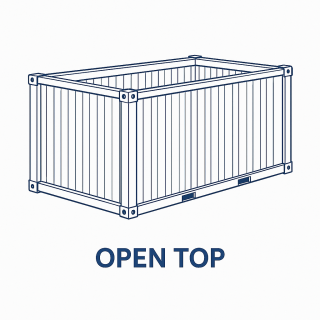
Open Top Container Fullcargo

3. Open Top Container

What it is: A container without a fixed roof (covered with tarpaulin).
Why it’s used: For cargo taller than the container’s height that needs loading from above.

Examples: Heavy machinery, marble blocks, construction materials.
Pro tip: Use this container for oversized freight that can’t pass through standard doors.
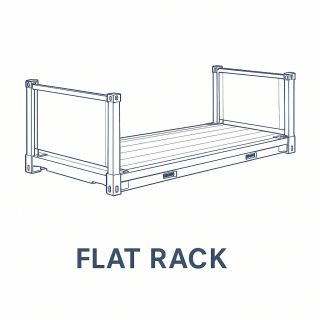
 

flat rank container fullcargo italy

4. Flat Rack Container

What it is: A container with no side walls and sometimes no end walls.
Why it’s used: For heavy, wide, or irregularly shaped cargo.

Examples: Vehicles, pipes, industrial components.
Pro tip: Ideal for “project cargo” — items requiring crane loading or lashing to the deck.
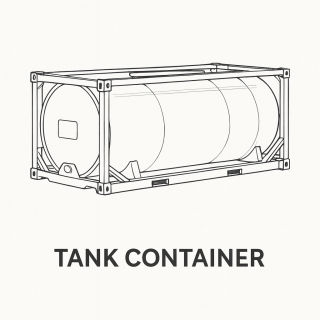
Tank Container fullcargo italy

5. Tank Container

What it is: A cylindrical tank mounted inside a steel frame.
Why it’s used: To transport bulk liquids, chemicals, or gases safely.

Examples: Wine, fuel, oils, industrial chemicals.
Safety note: Each tank container follows ISO standards and requires periodic inspection.


Why Container Choice Matters in Global Logistics

Choosing the right container reduces risk, prevents delays, and optimizes shipping costs.
A container is not just a metal box — it’s a controlled environment for your product’s journey.

At Fullcargo, we help our clients:

  • Identify the most efficient and secure container type.
  • Optimize routes for India, South Korea, and the UAE.
  • Manage documentation and customs with precision.
  • Track and monitor cargo using digital freight tools.

Fullcargo: Italian Roots, Global Reach

Founded in Milan in 1988, Fullcargo has grown from a local forwarding company into a global logistics partner for industries ranging from fashion to machinery.
We ship worldwide — handling full-container loads (FCL), less-than-container loads (LCL), air freight, and project logistics.

Want to learn more?

Contact our logistics experts for a personalized consultation.


fullcargo-Firefly_ecologia-e-spedizioni-di-merci-nel-mondo-nel-prossimo-futuro-470557-1200x933.jpg
International shipping is the backbone of global trade. As 2025 approaches, logistics operators, companies, and brands exporting to South Korea, Japan, and the United Arab Emirates must prepare for regulatory changes and adopt new strategies to remain competitive. Learn about the most important changes and trends that will revolutionize the industry.

New Shipping Regulations in 2025

ADR 2025 Updates
As of January 1, 2025, new provisions of the European Agreement for the International Carriage of Dangerous Goods by Road (ADR) will include:

    • New UN numbers for sodium-ion batteries and vehicles with multiple batteries.
    • Exemptions extended to hazardous waste.
    • Changes to documentation, marking and labeling.
      The transition period ends on July 1, 2025!

IATA Air Transport Regulations.
More than 350 changes will affect the air transport of dangerous goods. Major changes:

    • Exemptions for data loggers and load trackers.
    • Updated restrictions for freight carried by passengers.

Shipments of WEEE (Waste Electrical and Electronic Equipment)

New restrictions to prevent exports to countries without adequate treatment infrastructure. These regulations aim for more responsible e-waste management.

Logistics Trends for 2025

  • Automation and Artificial Intelligence
    Automated systems and artificial intelligence algorithms will optimize logistics operations, reducing errors and improving delivery times.
  • Green Logistics
    Sustainability will be a central theme, with investments in electric vehicles and green packaging solutions to reduce environmental impact.
  • Advanced Traceability
    With the Internet of Things (IoT) and blockchain, the supply chain will become more transparent, improving shipment tracking and increasing customer trust.

Preparing for the Future of Shipping

Logistics operators and brands exporting to Asian and Middle Eastern markets must:

  • Update operating procedures according to 2025 regulations.
  • Invest in staff training to handle new technologies and regulations.
  • Integrate innovative solutions to automate and optimize the supply chain.

The year 2025 will be a pivotal year for the international shipping industry. Preparing for new regulatory challenges and embracing emerging trends will ensure competitiveness, sustainability, and success in global markets.


export-in-corea-of-south.jpg

Savings and opportunities for Italian and European companies

There are many duty-free products for trade between Europe and South Korea (the eighth largest destination for EU goods). In particular, the following can be exported from Europe: automobiles, electronics, pharmaceutical industry products, chemical products. The recent free trade agreement also encourages the export of fishery andagricultural products.

The advantages are related to savings, a lighter management of customs procedures which have become simpler and faster. Recognition of product certificates and access to public procurement is improved. On the legal side, there is greater strength in the protection of trademarks and the recognition of intellectual property.

FIND OUT MORE ABOUT SOUTH KOREA

The 2020 statistics confirm Italy as Korea's number one leather goods supplier, with Korean imports worth $1 billion 300 million. (InfoMarketsForeign)

OUTLOOK COUNTRY

Download here the fact sheet of InfoMarketsExternal


Fullcargo

An Italian company and a global network with local expertise.With us your goods can travel with the necessary care and attention.

FDX Partners

Fullcargo is part of the FDX network, an international association of qualified and experienced freight forwarders.